



What images first come to mind when you think of Bermuda? Is it pristine beaches and clear, azure water? Beautiful pink sand beaches and the allure of wreck-diving? Or perhaps the mythology surrounding the Bermuda Triangle?
If you’re a surfer, your biggest question may be whether or not Bermuda has waves. Let’s put this matter to rest by assuring you that yes, there is consistent surf along this mid-Atlantic archipelago.
This should not be a surprise. If you trace your finger east off of North Carolina, you’ll arrive at Bermuda, some 600 miles out to sea. The island is directly in the path of hurricane tracks, making it a bit of a swell magnet—although interestingly, it remains off the beaten path within the surfing world.
So yes, Bermuda gets waves. The island is mostly reef, which helps shape swells as they approach land. Bermuda is also built on an ancient volcanic seamount, which has been capped by limestone and surrounded by these coral reef systems. Typically, where there are reefs, you can find barrels.
Related: The Bermuda Triangle Mystery Solved, Says Scientist
When is the best time to go?
Bermuda is located in the northern hemisphere, which means it abides by the seasonal weather patterns of the top half of the globe. The swell season runs from October through March.
However, the North Atlantic hurricane season begins in June. This means that when hurricanes develop off the East Coast of the United States, powerful storms can reach Bermuda—though some may be too wild and unpredictable to score.
The beauty of hurricanes, however, is that they don’t need to pass directly over the island to produce surf. Systems passing hundreds of miles away can produce rideable waves.
During the winter, cold fronts and nor’easters moving up the eastern seaboard create shorter-period swells that can produce fun, more manageable waves. While winter swells may not have the power and size of hurricane-generated waves, they offer more opportunities and come with better, offshore wind. Spring and early summer tend to be the flattest periods, typical of the northern hemisphere.
Where are the best surf spots?
You’ll find the best surf spots along Bermuda’s south coast.
- Horseshoe Bay: Known for its pink sand and tourist appeal, Horseshoe Bay transforms into a legitimate surf break when swells arrive. The bay’s crescent shape and sandy bottom make it great for beginners, while larger swells can produce waves suitable for more experienced surfers.
- Warwick Long Bay: This beach offers a more consistent option with multiple peaks spread along its length. The bay’s position means it’s open to south and southeast swells.
- Church Bay: A smaller and more protected beach, Church Bay serves as a great spot for beginners or when other locations are too big. It’s a reef break, and it can produce a barreling wave—just bring booties.
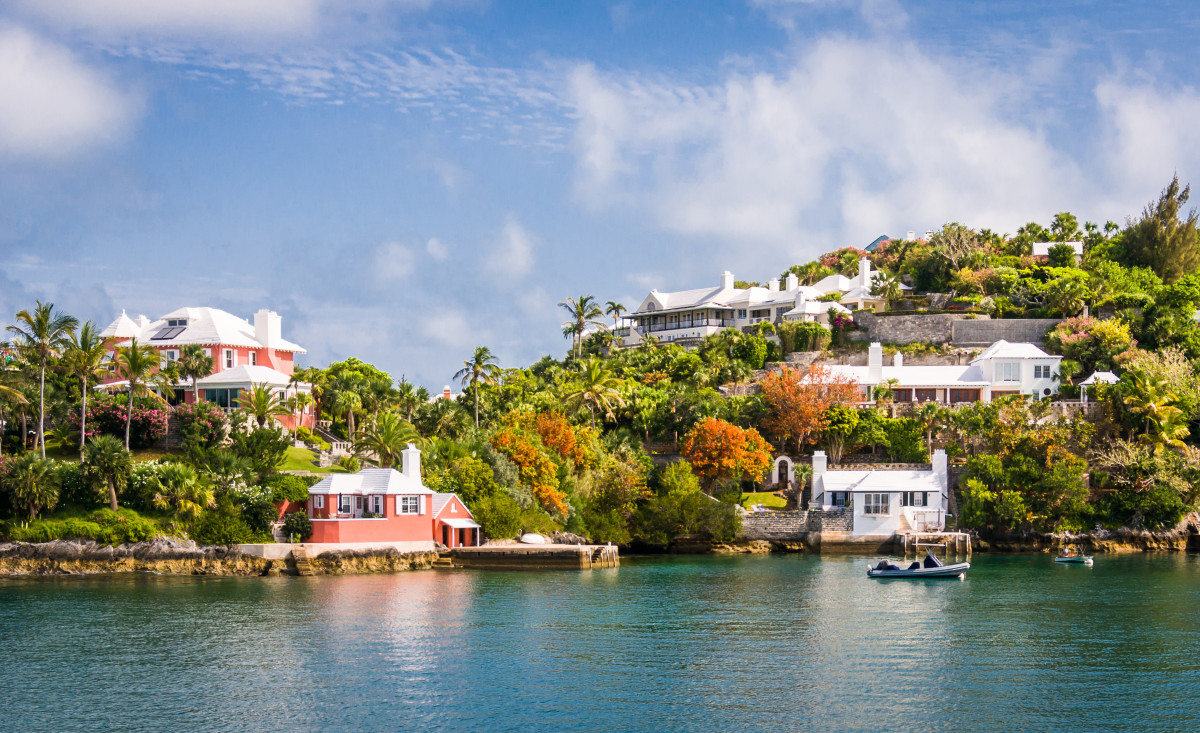
- Hamilton: This is Bermuda’s capital city, and it’s a great option to base yourself while looking for waves. Its location is close to both the north and south coasts, though you’re never far from both along the fishhook-shaped island. Stay here for a mix of pastel-colored colonial buildings and decent beaches.
What about the north coast?
Bermuda’s north coast is a bit trickier. The reefs here are more exposed to Atlantic swells and can handle significantly more size, so we’d recommend leaving these for a decent-sized west swell where you might be able to find some shelter around the west side of the island.
Related: Surfing Lingo Explained: What Does It Mean To Hang Ten?
What’s the surf culture like?
Despite its small size, Bermuda has a dedicated surf community. The Bermuda Surfing Association, established in the 1960s, has worked to promote the sport and organize competitions on the island. Local surf shops provide equipment rental and repair services.
The island hosts several surf competitions throughout the year, including events that attract international competitors. These contests help showcase Bermuda’s wave quality to the broader surfing world while fostering local talent development.
How’s the weather?
The water is 68°F in January and 73°F at the height of summer. You’re not going to need a wetsuit. While fall and winter are the best seasons to surf, October also marks the wettest month. Though not extreme, it’s just worth noting if you’re thinking about heading out there.
Like every spot in the world, Bermuda’s weather patterns significantly influence surf conditions. The island’s position in the Atlantic makes it susceptible to crazy weather changes, and conditions can shift dramatically in moments.
Hurricane season brings the year’s most powerful surf, but also a lot of risks. Surfers must carefully monitor weather systems and understand when conditions become too dangerous. Local authorities and surf shops typically provide guidance during significant weather events.
Bermuda could be a legitimate surfing destination. The island’s location, right in the middle of the Atlantic, means it’s poised to suck up swell from the surrounding ocean. The island features an extensive system of reef breaks that help create consistent and quality waves.
It’s an intriguing option and one that’s worth a trip for the right swell. Look for west swells or south swells for the south coast. If it’s your first time, avoid hurricanes and look for less powerful tropical depressions forming out in the Atlantic. You might just discover a hidden gem.