



So the story goes, the late Sean Collins had a ritual of sitting on the rooftop of his Seal Beach, CA home, watching and documenting swell lines as they rolled in. It wasn’t quite a Newton under the apple tree moment; however, it was the primordial beginnings of modern-day surf forecasting.
Of course, Collins went on the create the ubiquitous, near monopolistic empire of Surfline.
Throughout the years, others have entered the space, and attempted to take a crack at Surfline’s reign of supremacy. But their efforts, although valiant, were in vain. Surfline snatched those other, more international businesses up, and furthering their empire – like ancient Roman conquests.
Now, a new contender has joined the proverbial gladiator pit of surf forecasting. Enter Jack Austin – founder of Duune – a hyperlocal, made-for-the-people platform of surf forecasting for the frothy residents of Los Angeles. And although Austin isn’t embarking on a noble quest to topple Surfline’s sovereignty, he is in the business of helping surfers score waves, understand the byzantine wisdom of reading swell charts, and comprehend them in layman’s terms.
He is, in that sense, a sort of surf forecasting Robin Hood. Not necessarily stealing from the rich, but offering his services to the commonfolk free of charge…at least, for now.
I caught up with Jack during the Lexus Trestles Pro. Being a resident of Los Angeles myself, I had seen his surf forecasts on Instagram, and found them quite useful. So, I decided to give him a call to hear what Duune was all about, how terribly uninformed most surfers are when it comes to understanding surf forecasts, and his take on the current domination of the surf forecasting space.
Talk us through your background a little bit.
I grew up on the Big Island of Hawaii. My stepdad would take me to this place called Magic Sands, and I grew up bodysurfing. That turned into bodyboarding, then I got a surfboard. My childhood was amazing, but I had this rough two-to-three-year period. I was home alone a lot, so I would skip school. And I would surf every single day. I was hooked.
I went to college at Lehigh in Pennsylvania to study computer science and business. Then I got a job in New York and really doubled down on the career grind. I work in cyber security on the sales and engineering side. I was working a lot in NYC, so it was tough to surf. I felt pretty disconnected from my roots. Traveling home was also tough and I was definitely missing the ocean.
I ended up moving out here [to California] at the beginning of COVID. I knew I would move to LA at some point. It’s closer to home but still makes sense with my career. COVID sped up those plans. My then girlfriend, now fiance, and I moved to LA. I was working east coast hours and no in-person client meetings were happening, so I had a ton of time to get back into surfing and learn the ins and outs of LA.
I got a new gig about a year ago, and I was able to get a month period before it started. That’s how Duune started. I had maybe too much time on my hands so I just started posting surf stuff, even “what’s the best sunscreen to use” videos. Just random. Then, I posted a surf report video, and the engagement was nuts. So, I decided to keep doing it.
And what’s your background in the realm of surf forecasting and meteorology?
I always had my eye on forecasts but growing up but in Kona, the forecasts kind of always sucked. You just knew where and when to go. I would walk to the beach every day, so I learned a lot by doing.
When I moved to the mainland, I was constantly researching. Getting familiar with new places and buoys. It became part of the fun. By the time I moved to LA, I had already studied up. I don’t have any formal background in meteorology. I learned by trial and error. I got a little bit of a hold on it and it became just part of my routine. I surf every day.
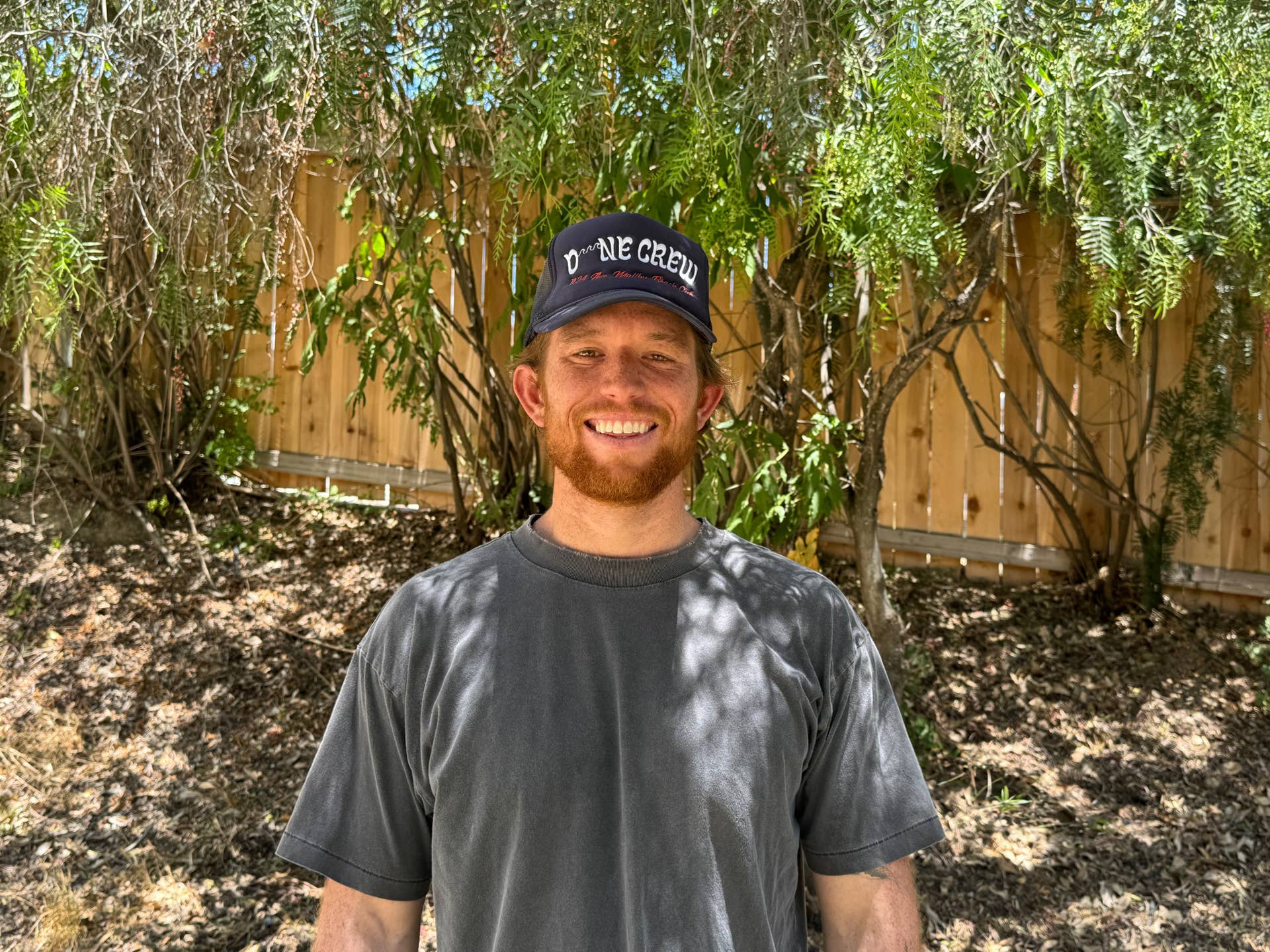
For those uninitiated, describe what Duune does.
Duune is a social-first surf report for LA. And we’re a community. I spent the last year sharing and reporting on the LA area. As time went on, more people started to follow and share. DM their questions. I developed a website to make it easier for people to look up their specific spots and time of day they wanted to surf.
It’s been really cool engaging with people who are LA natives. People who have surfed here their whole lives and also talk to people who are just starting out and looking for advice.
The goal may shift over time. But right now, the goal is to be the best surf report for LA. That if you live here, and you surf here, this is the report you want to use. I’m trying to start small. Long-term, I think if I can really nail it here, then we can hopefully move to other spots. People keep asking to expand but I want to make sure the tech really works. Duune started on social and that’ll always be at the core. I’m finalizing an app and am really excited about what’s coming next.
In a world with Surfline, and their supremacy on the surf forecasting market, what do you offer that’s different?
Duune is about getting the information that surfers want day-to-day. An example of that is, like, we have an upcoming swell. Say, Friday through Sunday looks really good. I’m trying to really dig into what that swell event looks like, and package it in a way that’s digestible for everyone – whether you’re a professional surfer, or someone who’s just getting started.
With Duune, there’s a real community aspect to it – people are DMing me all the time. I’m just trying to do it differently. I think it’s a good opportunity to offer a more community-based approach. Give people what they need.
In your experience, how uninformed is the average surfer when it comes to reading a surf report?
I think regardless of experience level, a lot of surfers just don’t like that it can be complicated to navigate. People just want to get out there and hope that when they make it out there, it matches what they saw or heard from a friend. They’re learning by their own trial and error.
With all of this, there’s a really easy entry point for me to make connections with people.
From my experience, the platforms that exist today don’t do the best job of making things understandable for people regardless of their experience level. Reports are very technical. The graphs and numbers, while great resources, can be overwhelming.
There’s a lot happening in people’s day-to-day and I’m focused on making things easy and digestible. That’s something I’m trying to bake into the app that I’m building. I just want people to get the information that they want. Where they want to go. What time. What can they expect in the water. What’s happening with the wind. I’m always keeping a conversational lens in mind.
I sell cyber security technology. Sales calls can be extremely dense. There are different stakeholders with their own level of expertise and time limitations. My job at the end of the day is figuring out how to share highly technical material in a way that both an engineer and an executive can understand and both leave feeling excited. It’s the art of technical storytelling.
I’m bringing that same approach to Duune. Find as much of a universal language as possible and deliver value. We all just want to be spending more time out in the water. Not reading reports.
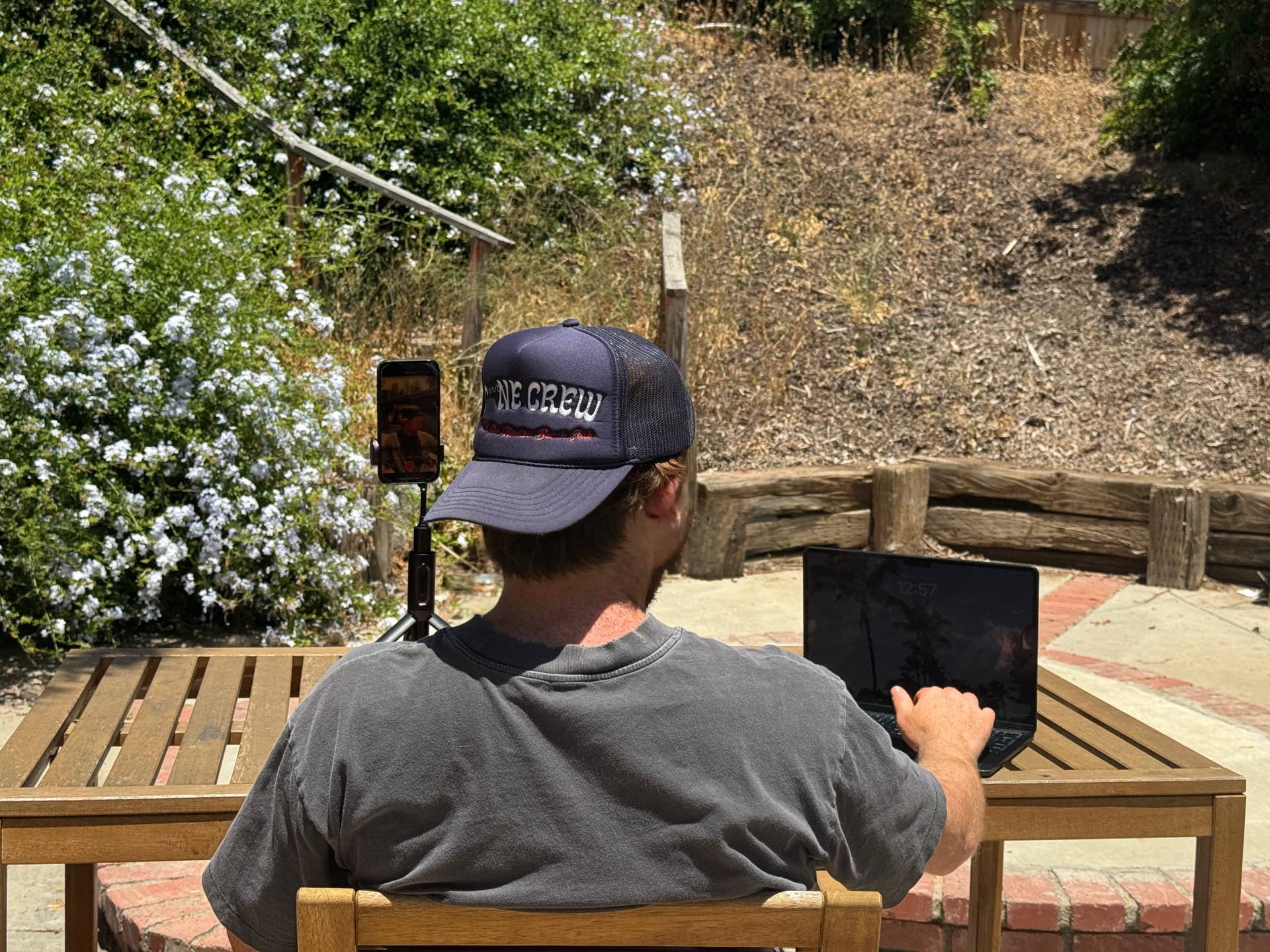
It’s sort of like that common trope of that trusted guy in the parking lot who knows what he’s talking about.
Yes that’s the goal for the social content and app. Bring our knowledge and technical tools to make it accurate and informative while keeping it digestible. That trusted guy in the parking lot is your go-to because he’s really out there every day and gives it to you straight.
With Duune, I’m trying to find a balance of presenting all the information but getting to the point. Giving enough detail. What swells are filling in, what’s the wind doing, what’s the tide doing, but packaging it better.
It’s really about that localized and personal touch. That’s why people are resonating with Duune. And why I’m hyperfocused on LA. Sure, I’d love to expand at some point but my priorities are being hyperaccurate. That trusted guy isn’t everywhere all at once. He’s out there with you.
Related: Malibu Surf Legend Randy “The Craw” Miod Perishes in Fires
What about backlash? Have you experienced much when it comes to blowing up swells and spots?
The culture piece is pretty interesting. There’s the core-lord aspect and there’s always going to be people who don’t resonate on social. That’s the nuance that comes with the balance of building Duune social content and our site and app. I don’t know if I have it nailed down today, but the goal is to get that balance – I want to preserve things that don’t need to be exposed all the time, while also giving a solid forecast.
What can folks expect from the Duune app when it drops?
I’ve organized the app into three categories: Personal, Regional and Spot.
Personal is the user’s profile, where they can create an account and save their favorite surf spots.
Regional offers Upcoming Swells and Regional Forecasts. Upcoming Swells is similar to our social content.
The Spot category is spot-and-date specific minute-by-minute breakdowns for every surf spot in LA. For every spot, I’ve configured the best swell directions, tide and wind. It’s all dynamic, so the configurations change based on what’s happening.
Then there’s the stuff the community’s been asking about for the past year – Best Times, Best Spots, Biggest Days, etc. I built algorithms that rank all LA surf spots in 2-hour windows throughout the day—based on swell composition, tide, and wind.
Expect the best surf report in the world, for LA.
For anyone that may be interested, they can sign up for the app waitlist.